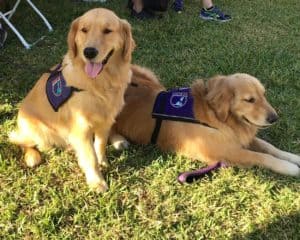
How to Service Dog Training: A Real-World Guide for Families and Individuals
Searching for how to service dog training often means you’re exploring a life-changing option—for yourself or someone you care about. A service dog is far more than a well-behaved pet. These highly trained working dogs assist disabled individuals with everyday challenges, helping them live more independently, confidently, and safely.
This guide offers detailed information on what service dog training involves, how dogs are prepared for public life, and how to decide whether training your own service dog or working with a professional training program is the right choice.
What Is a Service Dog?
 A service dog is a service animal that is individually trained to perform specific tasks related to a person’s disability. These tasks must directly support major life activities, such as mobility, communication, medical stability, or mental health regulation.
Examples of service dog work include:
- Mobility assistance and balance support
- Guiding the visually impaired
- Medical alert for low blood sugar
- Retrieving objects or opening doors
- Interrupting panic attacks or an anxiety attack
- Supporting individuals with post traumatic stress disorder
- Alerting during psychiatric episodes
A dog’s mere presence does not qualify it as a service animal. Comfort alone, as provided by emotional support animals, is not the same as trained task work.
Service Dogs vs. Emotional Support Animals vs. Therapy Dogs
Understanding the difference is essential:
- Service Dogs
Trained to perform tasks. Have public access rights in public spaces, public transportation, and commercial facilities. - Emotional Support Dogs
Provide emotional support but are not task trained. Do not have public access rights. - Therapy Dogs
Visit hospitals, schools, or group settings to support others. They are not service animals.
Only trained service dogs are protected under disability laws such as the Disabilities Act.
How to Service Dog Training Begins
Step 1: Choosing the Right Dog
Not every dog is well suited for service work. A service dog prospect must have the right dog’s temperament, health, and willingness to work.
Traits of great service dogs include:
- Calm and confident demeanor
- Ability to remain calm in public settings
- Willingness to ignore distractions and important sounds
- Comfort around other dogs, people, and other animals
Popular breeds include:
- Golden Retriever
- German Shepherd
- Labrador Retriever
However, many breeds—including mixed breeds—can succeed if they have the right temperament. An older dog can sometimes train successfully, but puppies are more commonly used.
Foundational Training: The First Stage
 Before advanced service dog training begins, dogs must master foundational behaviors, including:
- Sit
- Down
- Stay
- Loose leash walking
- Reliable recall
- Calm behavior in public settings
This stage often includes:
- Group classes
- One-on-one work with a dog trainer
- Learning to ignore distractions
- Exposure to public spaces and public transportation
This foundation makes all the difference in later success.
Task Training: Teaching the Dog to Assist
Task training is where service dogs learn to actively assist a handler. Each task must directly support the handler’s disability.
Examples of specific tasks:
- Retrieve objects
- Open doors
- Brace for mobility assistance
- Alert to low blood sugar
- Interrupt panic attacks
- Guide safely through crowds
- Assist during psychiatric episodes
Dogs are trained to perform these tasks consistently, even in busy public settings.
Public Access Training and Testing
Service dogs must behave appropriately in public. This includes:
- Calm behavior in stores and restaurants
- Focus around noise, carts, and crowds
- Ability to ignore food and other animals
- Walking calmly on leash
- Remaining under handler control at all times
Many programs use public access tests to ensure dogs are fully prepared. Dogs may wear vests or ID tags, but these are optional—not legally required.
Training Methods That Work
Modern service dog training relies on:
- Positive reinforcement techniques
- Clear communication
- Consistency
- Personalized training plans
Punishment-based methods are avoided. Expert trainers focus on building trust, confidence, and reliability through personalized training.
 Owner Training vs. Professional Training Programs
 Owner Training vs. Professional Training Programs
Owner Training
Some handlers choose to train their own service dog. This is legal, but challenging. Owner training requires:
- Significant time investment
- Strong commitment
- Often working with professional trainers for guidance
Professional Training Programs
A professional training program offers:
- Structured training
- Access to expert trainers
- Dogs that are often closer to being fully prepared
Organizations aligned with assistance dog standards often provide the most reliable outcomes.
Legal Considerations and Public Access Rights
Service dogs:
- Are not required to be certified
- Do not legally need ID tags or vests
- Must be trained to perform tasks
- Must assist with a disability
- Must behave appropriately in public
Handlers and their dogs have access to public spaces, air travel, and public transportation when standards are met.
Introducing Genesis Assistance Dogs, Inc.
For individuals seeking trusted guidance, training, or placement of trained service dogs in Florida, Genesis Assistance Dogs, Inc. is dedicated to making independence possible.
Our Mission
To provide ability and independence to transform the lives of people with disabilities through the training and placement of highly skilled assistance dogs.
Our Vision
We envision a future where people with disabilities realize their full potential through the dedication, service, and companionship of a trained assistance dog.
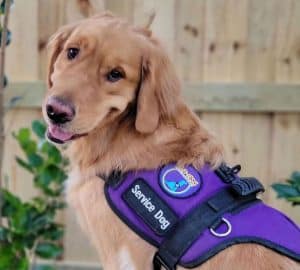
Genesis Assistance Dogs, Inc. supports children and adults through ethical, professional training programs designed to enhance well-being and independence.
📞 Contact: (561) 329-0277
📧 Email: info@genesisassistancedogsinc.org
Frequently Asked Questions (FAQ)
How long does service dog training take?
Most training programs take 12–24 months from puppyhood to full public access readiness.
Can I train my own service dog?
Yes, but many handlers work with professional trainers to ensure success.
Do service dogs need certification?
No certification is legally required in the U.S.
Are emotional support dogs service dogs?
No. Emotional support dogs do not perform trained tasks and do not have public access rights.
What disabilities qualify for a service dog?
Both physical and mental health disabilities qualify when a dog performs tasks related to the condition.
Can service dogs fly on airplanes?
Yes, trained service dogs are allowed air travel when properly behaved and task trained.