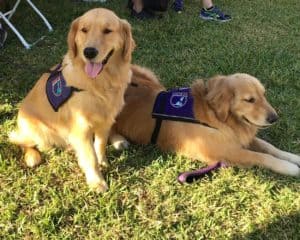
Training Puppies for Service Dogs: Building the Foundation for a Lifetime of Support
The process of training puppies for service dogs starts long before a dog learns advanced skills. It begins with trust, patience, consistency, and a strong foundation during puppyhood.
For many families and individuals living with disabilities, a service dog becomes much more than a helper. These highly trained working dogs provide independence, confidence, emotional stability, and practical support in daily life. But before a dog can perform tasks in public settings, there’s a long and important journey that begins when they are still a puppy.
Whether you’re interested in becoming a puppy raiser, exploring volunteer puppy raising, or simply learning how service puppies develop into working dogs, understanding the early stages of training can make all the difference.
Why Early Puppy Training Matters

A future service dog needs much more than basic obedience. These dogs must grow into calm, focused, and reliable companions capable of working in distracting environments and public spaces.
That’s why early training is so important.
The first few months of a puppy’s life help shape:
- Confidence
- Social behavior
- Emotional stability
- Focus
- Adaptability to new environments
A strong foundation during puppyhood increases the puppy’s success later during formal training and advanced task work.
What Is a Service Dog Prospect?
A service dog prospect is a puppy or young dog being evaluated for future service work. Not every puppy is suited for this role.
Great service dogs often show:
- Calm temperament
- Curiosity without fear
- Ability to recover from stress
- Willingness to learn
- Comfort around people, medical equipment, and other dogs
Breeds commonly used include Labrador Retrievers, Golden Retrievers, and other working dogs known for intelligence and stability.
The Role of a Puppy Raiser
A puppy raiser helps prepare a service puppy for its future career. Many organizations depend on volunteer puppy raisers and fellow volunteers to help socialize and guide puppies through their early development.
Volunteer puppy raising is a rewarding experience because raisers help shape a dog that may eventually assist someone with:
- Mobility challenges
- Medical conditions
- Post traumatic stress disorder
- Anxiety
- Visual impairments
Volunteer puppy raisers are often supported through:
- Ongoing support
- Home visit check-ins
- Puppy classes
- Expert guidance from a service dog trainer
The goal is not perfection—it’s helping the puppy build confidence and develop good behavior habits.
The Early Stages of Service Dog Training
Potty Training and Crate Training
Every service puppy starts with the basics:
- Potty training
- Crate training
- Learning routines
- Developing calm behavior in the puppy home
Crate training teaches security and structure while helping puppies remain calm during travel or new situations.
Socialization in Various Environments
One of the most important parts of the training process is exposure to:
- Public spaces
- Public settings
- Other dogs
- Different sounds and surfaces
- New environments
Puppies need positive experiences in stores, parks, sidewalks, and community locations so they can learn to stay calm and focused.
This confidence building is critical for future public access work.
Obedience Training and Basic Skills
As puppies grow, they begin learning:
- Sit
- Stay
- Down
- Loose leash walking
- Recall
- Ignoring distractions
These basic skills become the framework for future service dog training.
A well mannered service puppy must learn how to behave appropriately around people, animals, and distracting environments.
Positive Reinforcement Training Works Best
Modern service dog training relies heavily on positive reinforcement training.
This approach:
- Builds trust
- Encourages confidence
- Creates a positive learning experience
- Strengthens the bond between dog and handler
Puppies learn faster when training feels rewarding rather than stressful.
A great trainer understands how to motivate each individual puppy while keeping training fun and productive.
Transition to Formal Training
Around adolescence, many puppies move into a structured training facility or begin advanced training with professional instructors.
This stage may include:
- Public access work
- Advanced obedience
- Exposure to medical equipment
- Task-specific preparation
Some dogs continue into specialized programs for:
- Guide dogs
- Alert dogs
- Deep pressure therapy
- Mobility support
- Retrieval of dropped items
At this point, dogs become increasingly focused on learning the specific tasks they will eventually perform.
Service Dogs vs. Therapy Dogs vs. Emotional Support Animals
People often confuse these roles, but there are important differences.
Service Dogs
- Individually trained
- Perform tasks related to disabilities
- Have legal public access rights
Therapy Dog
- Provides comfort in schools, hospitals, or community programs
- Helps groups of people rather than one handler
Emotional Support Animals
- Provide emotional support through companionship
- Do not require specialized task training
Only trained service animals are legally recognized for public access protections.
The Emotional Side of the Service Dog Journey
For many puppy raisers and families, this experience becomes deeply meaningful.
Watching a small pup grow into a confident, well trained service dog creates a lasting impact—not only for the dog, but for everyone involved.
There can be challenges along the way:
- Sleepless nights with a young puppy
- Training setbacks
- Fear stages
- Distractions in public
- Adjusting to new experiences
But there are also incredible moments:
- Seeing a shy puppy build confidence
- Watching a dog calmly assist someone in need
- Knowing your effort may change someone’s life forever
That’s what makes raising puppies for service work so rewarding.
Genesis Assistance Dogs, Inc.
For individuals and families in Florida looking for trusted service dog programs, Genesis Assistance Dogs, Inc. is committed to transforming lives through highly trained assistance dogs.
Our Mission
The mission of Genesis Assistance Dogs Inc. is to provide ability and independence to transform the lives of people with disabilities through the training and placement of highly skilled assistance dogs in Florida for children and adults.
Our Vision
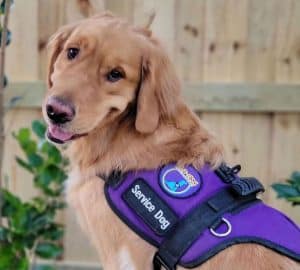
Our vision is for people with disabilities to realize their full potential through the dedication, service and companionship of a highly skilled assistance dog.
Genesis Assistance Dogs, Inc. works closely with the community, puppy raisers, and trainers to help develo
p confident service dog teams prepared for real-world success.
📞 Contact Number: (561) 329-0277
📧 Email: info@genesisassistancedogsinc.org
Frequently Asked Questions (FAQ)
How early can puppies start service dog training?
Most puppies begin socialization and foundational training around 8 weeks old.
What does a puppy raiser do?
A puppy raiser helps teach early manners, socialization, and confidence before advanced training begins.
Can any puppy become a service dog?
No. Temperament, health, and behavior all play a major role in determining suitability.
How long does service dog training take?
Most trained service dogs require 18–24 months of training before full placement.
What is positive reinforcement training?
It’s a reward-based training method that encourages good behavior through praise, treats, and consistency.
Are therapy dogs the same as service dogs?
No. Therapy dogs provide comfort to groups of people, while service dogs are trained to perform tasks for one individual.