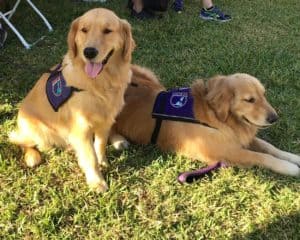
Assistance Dogs for Disabilities: How These Remarkable Dogs Help Transform Lives
For many people living with disabilities, everyday activities that others take for granted can present significant challenges. Whether it’s navigating public spaces, managing a medical condition, or maintaining independence at home, having the right support can make all the difference. That’s where assistance dogs for disabilities come in.
These highly trained dogs do much more than provide companionship. They offer practical assistance, enhance safety, and help people achieve greater independence in their daily lives. The relationship between a person and an assistance dog is often life-changing, creating a strong bond built on trust, teamwork, and mutual understanding.
In this article, we’ll explore the different types of assistance dogs, how they help individuals with disabilities, and why they play such an important role in our communities.
What Are Assistance Dogs?

Assistance dogs are specially trained dogs that help individuals with disabilities perform everyday tasks that might otherwise be difficult or impossible. Unlike pets or emotional support animals, assistance dogs receive extensive training to perform specific tasks related to a person’s disability.
These dogs are considered service animals under the Disabilities Act because they are trained to assist with physical, sensory, psychiatric, or medical needs.
The partnership between both the dog and their human partner is carefully developed through training, socialization, and ongoing support.
How Service Dogs Help People with Disabilities
Service dogs play an important role in helping individuals live more independently. Depending on the person’s disability, service dogs are trained to perform specific tasks that improve safety, mobility, and quality of life.
Some common examples include:
- Opening doors
- Retrieving items
- Providing mobility support
- Alerting to medical conditions
- Guiding individuals with vision loss
- Assisting people with hearing impairments
- Responding during medical emergencies
Because these dogs are trained to perform everyday tasks, they become invaluable partners in helping people navigate daily challenges.
Types of Assistance Dogs
There are several types of assistance dogs, each trained to meet different needs.
Guide Dogs
Guide dogs help individuals who are blind or visually impaired navigate safely through public places and unfamiliar environments.
These dogs assist with:
- Avoiding obstacles
- Crossing streets
- Navigating crowds
- Promoting greater independence
Hearing Dogs
Hearing dogs assist people who are deaf or hard of hearing.
They are trained to:
- Alert handlers to doorbells
- Respond to alarms
- Signal important sounds in the environment
- Increase safety at home and in public spaces
Mobility Assistance Dogs
Individuals with physical disabilities, including conditions such as muscular dystrophy, often benefit from mobility assistance dogs.
These dogs may:
- Retrieve dropped objects
- Open and close doors
- Help maintain balance
- Provide physical assistance with everyday activities
Medical Alert Dogs
Medical alert dogs are trained to detect changes in a person’s condition before symptoms become dangerous.
Examples include:
- Alerting to low blood sugar levels for people with diabetes
- Detecting certain medical conditions
- Providing advance warning before health episodes occur
Their ability to alert handlers early can significantly improve safety and peace of mind.
Seizure Response Dogs
Seizure response dogs provide support before, during, and after seizures.
Depending on the individual, these dogs may:
- Alert family members
- Retrieve medication
- Stay close during recovery
- Provide comfort and stability following an episode
Autism Service Dogs
Autism service dogs support children and adults on the autism spectrum.
These dogs help:
- Reduce anxiety
- Improve social interactions
- Enhance safety in public settings
- Create a calming presence during stressful situations
Many families describe the impact of autism service dogs as life-changing.
Psychiatric Assistance Dogs
Individuals living with post traumatic stress disorder, severe anxiety, or other mental health conditions may benefit from specially trained assistance dogs.
These dogs can:
- Interrupt an anxiety attack
- Provide grounding during stressful moments
- Assist with emotional regulation
- Help handlers feel safer in public spaces
While they provide emotional comfort, they also perform specific tasks related to the person’s disability.
Assistance Dogs vs. Emotional Support Animals
It’s common for people to confuse assistance dogs with emotional support animals.
The key difference is training.
Assistance Dogs
- Service dogs are trained to perform specific tasks
- Have public access rights
- Assist with a diagnosed disability
Emotional Support Animals
- Provide emotional support and companionship
- Are not trained to perform disability-related tasks
- Do not have the same public access rights
Similarly, therapy dogs provide comfort to groups of people in settings such as hospitals, schools, and nursing homes, but they are not considered service animals.
How Assistance Dogs Are Trained
The service dog training process is extensive and carefully structured.
Training typically includes:
Early Socialization
Puppies are exposed to:
- Public places
- Different environments
- Various sounds and situations
- Other animals and people
Obedience Training
Dogs learn:
- Basic commands
- Good behavior
- Staying under control
- Communicating effectively with handlers
Task-Specific Training
Depending on the disability, dogs are trained to:
- Alert
- Retrieve items
- Provide mobility assistance
- Support individuals during medical episodes
The process can take up to two years before a dog is fully trained and ready to work.
The Benefits of Assistance Dogs
People who partner with assistance dogs often experience:
- Greater independence
- Increased confidence
- Improved safety
- Better participation in community activities
- Enhanced quality of life
Many handlers say they are incredibly grateful for the support their dogs provide each day.
These partnerships often allow children and adults to achieve goals that once seemed out of reach.
Choosing the Right Assistance Dog
Not every dog is suited for service work.
Successful assistance dogs typically have:
- A calm demeanor
- Strong focus
- High intelligence
- Desire to work closely with people
Breeds commonly used include:
- Golden Retrievers
- Labrador Retrievers
- Other carefully selected dogs with the right temperament
The training program, socialization process, and ongoing support all contribute to the dog’s success.
Genesis Assistance Dogs, Inc.
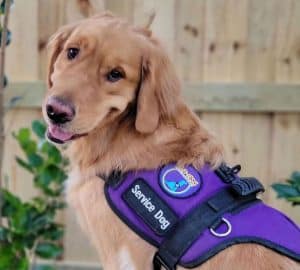
For families and individuals in Florida seeking trusted assistance dog services, Genesis Assistance Dogs, Inc. is dedicated to helping people achieve greater independence through highly trained assistance dogs.
Our Mission
The mission of Genesis Assistance Dogs Inc. is to provide ability and independence to transform the lives of people with disabilities through the training and placement of highly skilled assistance dogs in Florida for children and adults.
Our Vision
Our vision is for people with disabilities to realize their full potential through the dedication, service, and companionship of a highly skilled assistance dog.
Genesis Assistance Dogs, Inc. works closely with children, adults, and families throughout the community to create successful partnerships between people and assistance dogs.
📞 Contact Number: (561) 329-0277
📧 Email: info@genesisassistancedogsinc.org
Frequently Asked Questions (FAQ)
What is the difference between an assistance dog and an emotional support animal?
Assistance dogs are trained to perform specific tasks related to a disability, while emotional support animals provide companionship and comfort.
How long does it take to train an assistance dog?
Most assistance dogs undergo extensive training that can take 18 to 24 months or longer.
Can assistance dogs help people with PTSD?
Yes. Many assistance dogs are trained to support individuals with post traumatic stress disorder through specialized tasks and alerts.
What types of disabilities can assistance dogs help with?
Assistance dogs support individuals with physical disabilities, mobility challenges, autism, hearing impairments, diabetes, seizure disorders, and various medical conditions.
Do assistance dogs have public access rights?
Yes. Properly trained service animals have public access rights under disability laws.
Are Golden Retrievers good assistance dogs?
Yes. Golden Retrievers are commonly used because of their intelligence, calm demeanor, and ability to learn complex tasks.