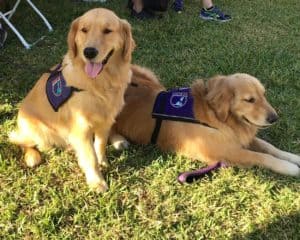
Service Dog Trainers: How to Find the Right Expert for Life-Changing Support
When people search for service dog trainers, they’re usually at the beginning of something important. Maybe there’s been a recent diagnosis. Maybe a family member is struggling with mobility, seizures, PTSD, or hearing loss. Or maybe someone simply wants to gain more independence and confidence in daily life.
Whatever the reason, choosing the right trainer is the first step in a journey that can truly be about changing lives.
A well-trained service dog isn’t just a companion. It’s a working partner trained to perform specific tasks that help individuals with disabilities live more safely and independently. But that level of reliability doesn’t happen by accident—it happens through structured, thoughtful service dog training guided by experienced professionals.
What Do Service Dog Trainers Actually Do?
 Professional service dog trainers specialize in training dogs to perform service tasks directly related to a handler’s disability. This could include:
- Alerting to seizures or low blood sugar
- Assisting veterans with PTSD
- Supporting individuals with epilepsy
- Helping with hearing alerts
- Assisting with balance and stability
- Creating space in crowded environments
- Retrieving medication
- Interrupting panic episodes
Unlike basic dog training or teaching tricks, training service dogs requires depth, patience, and a deep understanding of behavior, disability law, and sometimes even veterinary medicine considerations.
A true professional service dog trainer understands that this work isn’t about obedience alone—it’s about building life-long partnerships between handlers and dogs.
Not All Dogs Become Service Dogs
One of the most important things trainers evaluate is temperament. Many dogs are loving and loyal, but not all are suited for the responsibility of service work.
Some trainers work with:
- Carefully selected puppies
- Structured puppy raising programs
- Rescue dogs with the right stability and confidence
- Purpose-bred puppies from health-tested lines
Whether working with a new puppy or evaluating rescue dogs, trainers look for:
- Confidence (not fear-based behavior)
- Ability to remain calm in close proximity to strangers
- Focus in public spaces
- Emotional stability
- Trainability
The world is full of distractions. Service dogs must remain confident and steady when pulled into busy environments, around loud sounds, or when participating in crowded community events.
The Training Process: From First Step to Completion
Training service dogs is not a quick process. It usually takes 18–24 months from start to completion.
1. Foundation Skills
Dogs learn basic obedience and public manners. They must stand calmly, ignore distractions, and remain focused in public access settings.
2. Advanced Task Training
Here, dogs begin learning specific tasks connected to a handler’s disability. This could include:
- Alert work
- Creating physical stability
- Protecting personal space
- Interrupting psychiatric episodes
- Assisting with mobility
3. Public Access Training
Dogs must demonstrate confidence in stores, college campuses, medical facilities, public transportation, and other locations Americans use daily.
4. Team Training
The handler learns how to work confidently with the dog. This stage strengthens partnerships and builds long-term success.
Psychiatric Service Dogs and Specialized Training
 Some trainers focus specifically on psychiatric service dogs. These dogs assist individuals with PTSD, anxiety disorders, or trauma-related conditions. Veterans are among those who often benefit greatly from these services.
For example, a veteran named Sarah (name changed for privacy) shared that her service dog made all the difference in her daily living. Before, she avoided crowded spaces due to fear. After training, she regained confidence and independence.
That’s what skilled service dog trainers aim to create—not just trained dogs, but renewed life and hope.
What About Certification?
There is no official federal certification required for service dogs in the United States. However, reputable programs often follow high training standards and structured evaluation processes.
Be cautious of online-only certifications that promise instant credentials without real training. True service dog training takes time, commitment, and demonstrated skills.
Cost and Waiting Lists
Training service dogs is resource-intensive. Costs can reflect:
- Professional trainers’ time
- Veterinary care
- Equipment
- Puppy raising expenses
- Ongoing support services
Many organizations operate through donations, volunteers, and community partnerships to reduce cost barriers for clients.
It’s common to encounter waiting lists. Quality training cannot be rushed.
Can You Train Your Own Service Dog?
Some handlers choose to train their own service dogs under guidance. While legal, it requires:
- Significant time commitment
- Professional support
- Strong understanding of disability law
- Patience and consistency
Many people begin owner training but later decide to attend a structured program for more depth and guidance.
Beyond Training: Building Community and Support
The best service dog trainers don’t just train dogs—they create support systems. They connect handlers with resources, encourage volunteer involvement, and strengthen the larger disability community.
Because this isn’t just about a dog. It’s about independence, stability, and rebuilding confidence after life’s challenges.
Genesis Assistance Dogs, Inc.
For individuals in Florida who are interested in professionally trained assistance dogs, Genesis Assistance Dogs, Inc. is deeply committed to making independence possible.
Our Mission
The mission of Genesis Assistance Dogs Inc. is to provide ability and independence to transform the lives of people with disabilities, through the training and placement of highly skilled assistance dogs in Florida for children and adults.
Our Vision
Our vision is for people with disabilities to realize their full potential through the dedication, service and companionship of a highly skilled assistance dog.
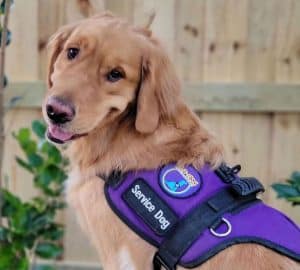 Genesis Assistance Dogs, Inc. works closely with clients, families, and the broader community to build confident service dog teams that truly change lives.
📞 Phone: (561) 329-0277
📧 Email: info@genesisassistancedogsinc.org
If you’re interested in learning more about programs, volunteering, or beginning your service dog journey, we encourage you to contact our team.
Frequently Asked Questions (FAQ)
How long does service dog training take?
Most programs require 18–24 months from puppy raising through advanced task work and public access readiness.
Can rescue dogs become service dogs?
Yes, some rescue dogs can succeed if they have the right temperament and health stability.
Do service dogs require certification?
No official federal certification is required, but structured training and evaluation are essential.
What disabilities qualify for a service dog?
Physical disabilities, hearing loss, epilepsy, PTSD, and other diagnosed conditions that substantially impact daily living may qualify.
How much does a service dog cost?
Costs vary widely depending on the program. Some nonprofit organizations offset costs through fundraising and community support.
Can veterans receive psychiatric service dogs?
Yes, many programs support veterans with PTSD and related conditions.