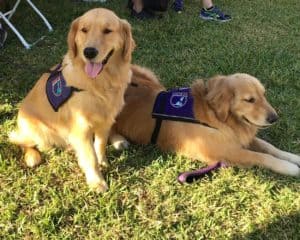
Choosing a Service Dog Organization: What to Look For Before You Apply
Choosing a service dog organization is a big decision. For someone who needs assistance with daily activities, mobility, medical conditions, or psychiatric disabilities, the right organization can make the entire service dog journey feel more manageable. The wrong fit, on the other hand, can lead to frustration, unexpected costs, and a dog that may not be well suited to the handler’s needs.
Finding the right organization isn’t simply about finding a program with the shortest waiting list or the closest location. You are choosing a partner that may be involved in your life—and your dog’s life—for years to come.
So, how do you compare programs and decide which one makes sense for you?
Here’s what to consider when choosing a service dog organization.
Start by Understanding What You Need From a Service Dog
 Before contacting organizations, think carefully about what you need help with in your daily life.
A service dog may be trained to perform specific tasks related to a person’s disability. Depending on the individual’s needs, this could include:
- Mobility assistance
- Retrieving dropped or needed items
- Opening doors
- Medical alert work
- Alerting to changes in blood sugar
- Deep pressure therapy as a trained task
- Assistance related to psychiatric disabilities
- Support with other disability-related activities
Some individuals may be looking for a service dog for physical disabilities, while others may be interested in psychiatric service dogs.
Knowing what you need will help you find a program that has experience with the type of service work you require.
Look for an Organization That Matches Your Needs
Not every service dog organization offers the same services.
Some programs specialize in mobility work. Others focus on guide work, medical alerts, or psychiatric service dogs. Some may work primarily with children, while others serve adults or veterans.
When comparing organizations, ask:
- What disabilities does the program serve?
- What tasks can the dogs be trained to perform?
- Does the organization provide public access training?
- Does the program offer team training?
- How long does training typically take?
- What happens after the dog is placed?
- Is ongoing support available?
A program that understands your specific needs is more likely to create a successful service dog partnership.
Ask About the Training Process
A reputable program should be able to explain its service dog training process clearly.
Training typically involves several stages, including:
Puppy Development
A service dog puppy may begin socialization and foundational training at a young age. Puppies learn basic obedience, appropriate behavior, and how to remain calm in different environments.
Public Access Training
Dogs must learn how to behave appropriately in public places. This may include exposure to:
- Stores
- Restaurants
- Public transportation
- Medical facilities
- Busy sidewalks
- Other dogs
- Crowded environments
A dog working in public needs to stay focused and under control even when distractions are everywhere.
Advanced Task Work
Once foundational skills are established, dogs may begin advanced task work related to their future handler’s needs.
The training should be individualized rather than treating every dog exactly the same.
Ask How Dogs Are Selected
One of the most important questions to ask is how an organization identifies a service dog candidate.
A good program carefully evaluates each dog for:
- Temperament
- Health
- Energy level
- Confidence
- Trainability
- Socialization
- Ability to recover quickly from stressful experiences
A temperament test may be one part of the evaluation process.
The goal is to find the right dog—not simply the first available dog.
Does the Breed Matter?
Breed can influence a dog’s typical characteristics, but it isn’t the only factor that determines service dog success.
Labrador Retrievers and Golden Retrievers are often selected for service work because they tend to be intelligent, people-oriented, trainable, and adaptable.
However, there are many dog breeds with different strengths and characteristics.
The right dog should have the right temperament and abilities for the work.
A small dog, for example, may be suitable for some types of service work but would generally not be appropriate for heavy mobility work. A larger dog may be better suited for physical assistance.
The important question isn’t simply, “What breed is this dog?”
It’s:
“Is this individual dog suited for the work it needs to perform?”
What About Rescue or Shelter Dogs?
Some people wonder whether a rescue or shelter dog can become a service dog.
In certain circumstances, a rescue dog may have the potential to succeed. However, organizations must carefully assess dogs before beginning extensive training.
A shelter dog may have an unknown history, health concerns, or undesirable behaviours that could make service work difficult.
This doesn’t mean rescue dogs cannot succeed. It simply means that not all rescue dogs are good candidates for service work.
A reputable organization should focus on the individual dog’s temperament, health, behavior, and ability to learn—not simply where the dog came from.
Be Careful About Programs That Promise Too Much
When searching for reputable programs, be cautious of organizations that make unrealistic promises.
A responsible organization should be honest about:
- The application process
- Waiting times
- Training requirements
- Potential costs
- Placement expectations
- The possibility that a dog may not complete training
Not every puppy becomes a successful service dog. Even carefully selected dogs can develop health or behavioral issues that make them ill suited for service work.
A trustworthy organization will prioritize the welfare of both you and the dog rather than promising a guaranteed outcome.
Understand the Costs
Service dog programs can have different financial structures.
Depending on the organization, there may be:
- Application fees
- Training costs
- Up-front costs
- Travel expenses
- Equipment expenses
- Veterinary costs
- Ongoing care expenses
Some organizations provide dogs at little or no cost to qualified applicants because of donations and community support. Others may require the handler to contribute financially.
Ask for a clear explanation of all expected costs before committing.
Don’t be afraid to ask what is included and what you will be responsible for after placement.
Ask About Team Training
Getting a service dog is not the end of the training process.
The person and the dog need to learn how to work together.
This is often called team training or handler training.
During this process, you may learn:
- How to give commands
- How to reinforce good behavior
- How to manage the dog’s equipment
- How to handle distractions
- How to maintain the dog’s skills
- How to care for your new working partner
A strong service dog team is built through practice and communication.
The organization should help both you and the dog develop the skills needed for long-term success.
What Happens After You Receive the Dog?
Ask about the organization’s policy for ongoing support.
A good service dog organization understands that questions can come up months or even years after placement.
Look for programs that offer some level of:
- Follow-up support
- Training advice
- Behavioral guidance
- Community resources
- Assistance with challenges
Ongoing support can be especially valuable when you’re adjusting to life with a working dog.
Ask About the Organization’s Experience
Experience matters, but don’t be afraid to ask specific questions.
You might ask:
- How long has the organization been training service dogs?
- How many dogs have they successfully placed?
- What types of disabilities do they serve?
- How are dogs evaluated?
- What training methods do they use?
- What happens if a dog cannot complete the program?
- How do they support handlers after placement?
A reputable organization should be comfortable answering these questions.
Think About the Long-Term Relationship
A service dog is not a short-term solution.
You and your dog may spend many years together.
The organization you choose should understand that service work is a long-term commitment involving:
- Daily care
- Veterinary care
- Continued training
- Exercise
- Nutrition
- Grooming
- Maintaining public access skills
The relationship between a handler and service dog can be incredibly rewarding, but it also requires responsibility.
The right organization should prepare you for both the rewards and the responsibilities.
Don’t Choose Based on Location Alone
It’s understandable to look for an organization nearby. Travel can be difficult, especially for individuals with disabilities.
However, location should not be the only factor.
A program that is farther away but provides the right training, professional guidance, and ongoing support may ultimately be a better choice than a nearby program that doesn’t meet your needs.
Consider the full picture:
Experience + training + dog selection + support + costs + your individual needs.
Questions to Ask Before Choosing a Service Dog Organization
Before applying, consider asking these questions:
- What types of service dogs do you train?
- What disabilities do you serve?
- How do you select your dogs?
- Do you use puppies, adult dogs, or both?
- Do you work with rescue dogs?
- What does your training process involve?
- How do you teach public access skills?
- How are service tasks selected?
- How long is the typical waiting period?
- What are the total costs?
- Is team training provided?
- What support is available after placement?
The answers can tell you a lot about whether the program is a good fit.
Choosing the Right Service Dog Organization Is About Finding the Right Partner
There is no single service dog program that is perfect for everyone.
The best choice depends on your disability, lifestyle, location, financial situation, and the type of assistance you need.
Take your time. Ask questions. Research the organization carefully. Most importantly, look for a program that genuinely cares about matching the right dog with the right person.
A successful service dog partnership isn’t created overnight. It takes patience, training, trust, and commitment from both sides.
When the match is right, however, the result can be life-changing.
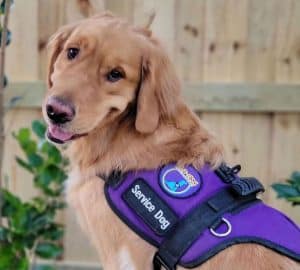 For families and individuals in Florida who are considering a service dog, Genesis Assistance Dogs, Inc. is committed to helping people with disabilities experience greater ability and independence through highly skilled assistance dogs.
The organization’s mission is to provide ability and independence to transform the lives of people with disabilities through the training and placement of highly skilled assistance dogs in Florida for children and adults.
Its vision is for people with disabilities to realize their full potential through the dedication, service, and companionship of a highly skilled assistance dog.
Choosing a service dog organization is an important decision, and finding a program that understands the needs of both the person and the dog can make an important difference in the service dog journey.
To learn more about Genesis Assistance Dogs, Inc., contact:
Phone: (561) 329-0277
Email: info@genesisassistancedogsinc.org
Frequently Asked Questions About Choosing a Service Dog Organization
How do I choose a reputable service dog organization?
Look for an organization with experience, transparent policies, appropriate dog selection practices, professional training, and ongoing support. Ask detailed questions about the organization’s training process, costs, waiting list, and placement policies.
Can I choose my own service dog?
Usually, the organization plays an important role in selecting the right dog based on your disability, lifestyle, and needs. Some programs may involve the handler in the matching process, while others have specific placement procedures.
Can rescue dogs become service dogs?
Some rescue dogs may have the temperament and health needed for service work, but they must be carefully evaluated. Many rescue dogs are not suitable for the demanding requirements of service work.
What breeds are commonly used as service dogs?
Labrador Retrievers and Golden Retrievers are common choices because of their temperament and trainability. However, the individual dog’s health, behavior, and temperament are often more important than breed alone.
How long does it take to get a service dog?
The timeline varies between organizations. It may depend on the application process, availability of suitable dogs, training time, and the organization’s waiting list.
What happens if a service dog doesn’t complete training?
A reputable program should have a plan for dogs that are unable to complete service training. The dog may be placed in another appropriate role, such as a companion or therapy dog, depending on its temperament and circumstances.
Do service dogs need ongoing training?
Yes. Even after placement, service dogs benefit from continued reinforcement and practice. Maintaining good behavior and public access skills helps protect the long-term success of the service dog team.
Should I choose an organization based on cost?
Cost is an important consideration, but it shouldn’t be the only factor. Consider the organization’s experience, training quality, dog selection, team training, and ongoing support when making your decision.