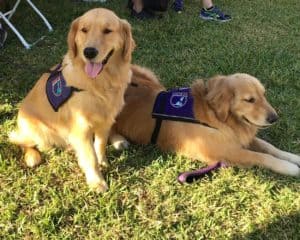
Assistance Dog Benefits: How These Remarkable Dogs Improve Lives Every Day
When people think about an assistance dog, they often picture a dog guiding a person who is blind or helping someone in a wheelchair. While those are certainly important roles, the true assistance dog benefits go far beyond what many people realize.
Today, assistance dogs help people with a wide range of physical, medical, and mental health conditions. From providing mobility assistance to alerting someone about a dangerous drop in blood sugar, these specially trained animals offer practical support, increased safety, and a renewed sense of independence.
For many individuals and families, partnering with a trained service dog can be life-changing.
What Is an Assistance Dog?
 An assistance dog is a service animal that has undergone a specialized training program to help a person with a disability perform daily activities more safely and independently.
Unlike pets, service dogs are trained to perform specific tasks that directly relate to a person’s disability. These dogs are protected under disability laws and have public access rights that allow them to accompany their handlers in most public places.
Whether assisting children, adults, or veterans, assistance dogs help bridge the gap between challenges and independence.
Increased Independence in Everyday Life
One of the greatest assistance dog benefits is increased independence.
Many people with disabilities rely on assistance dogs to help with everyday tasks such as:
- Opening doors
- Retrieving dropped items
- Turning lights on and off
- Assisting with mobility
- Alerting to medical emergencies
A well-trained service dog allows a person to accomplish tasks that might otherwise require assistance from family members or caregivers.
For many owners, this increased independence can dramatically improve their quality of life.
Mobility Assistance for Physical Disabilities
Individuals with physical disabilities often benefit from mobility assistance dogs.
These dogs are trained to:
- Retrieve objects
- Help maintain balance
- Assist with transfers
- Open doors
- Provide stability during movement
People living with conditions that affect strength, coordination, or mobility often find that assistance dogs help them move through the world with greater confidence and safety.
Medical Alert Dogs Save Lives
Some of the most remarkable assistance dogs are those trained for medical support.
Diabetic Alert Dogs
Diabetic alert dogs are trained to detect changes in blood sugar before symptoms become dangerous.
These dogs can:
- Alert handlers to low blood sugar
- Notify family members
- Provide early warnings that allow people to take action
For individuals living with diabetes, these alerts can be incredibly valuable.
Seizure Alert Dogs
Seizure alert dogs and seizure response dogs help people who experience seizures.
Depending on the individual, these dogs may:
- Alert before a seizure occurs
- Stay with the person during an episode
- Seek help if needed
- Retrieve medication
This support often provides peace of mind for both handlers and family members.
Allergy Detection Dogs
For individuals with severe allergies, allergy detection dogs can identify allergens that may trigger dangerous reactions.
These specially trained dogs can detect substances that may otherwise go unnoticed and help protect their handlers from serious health risks.
Support for Mental Health Conditions
Not all disabilities are visible.
Many people living with post traumatic stress disorder, anxiety disorders, or other mental health conditions benefit from psychiatric service dogs.
These dogs are trained to:
- Interrupt an anxiety attack
- Provide grounding techniques
- Create personal space in crowded environments
- Wake a person from nightmares
- Alert during emotional distress
Veterans Affairs programs and other organizations increasingly recognize the value of psychiatric service dogs for veterans living with PTSD.
For many veterans, these dogs provide both emotional support and practical assistance.
Guide Dogs and Hearing Dogs
Some of the oldest and most recognized service dogs are guide dogs and hearing dogs.
Guide Dogs
Guide dogs assist people who are blind or have visual impairments.
They help handlers:
- Navigate sidewalks
- Cross the street safely
- Avoid obstacles
- Detect hazards, including cars coming
One unique skill guide dogs learn is called selective disobedience. If a handler gives a command that would place them in danger, the dog may refuse to comply to protect the person.
Many people who use guide dogs may also carry a white cane, but the dog provides an additional layer of safety and confidence.
Hearing Dogs
Hearing dogs alert handlers to important sounds, including:
- Doorbells
- Smoke alarms
- Phones ringing
- Emergency signals
These alerts allow individuals with hearing loss to remain more aware of their surroundings and maintain greater independence.
Building Confidence and Self-Esteem
One benefit that often surprises people is the positive impact assistance dogs can have on self-esteem.
Living with disabilities can sometimes create feelings of isolation or dependence. A service dog can help restore confidence by allowing a person to participate more fully in school, work, social activities, and community life.
Many handlers report feeling more comfortable navigating the world when their service dog is by their side.
The Strong Bond Between Dog and Human Partner
A successful assistance dog team depends on the relationship between the dog and their human partner.
Over time, a strong bond develops through:
- Trust
- Consistent training
- Shared experiences
- Daily interaction
This partnership often becomes one of the most meaningful relationships in a person’s life.
Understanding the Cost and Waiting List
Because service dogs are highly trained, obtaining one often involves a significant investment of time and resources.
Factors that influence cost include:
- Training
- Veterinary care
- Equipment
- Ongoing support services
Many organizations maintain a waiting list because training a service dog can take 18 to 24 months or longer.
It’s important to note that while some programs charge fees, others receive donations or grants to help offset costs for qualified individuals.
Assistance Dogs vs. Emotional Support Dogs and Therapy Dogs
People often confuse assistance dogs with emotional support dogs or therapy dogs.
Service Dogs
- Trained to perform specific tasks
- Have public access rights
- Protected under disability laws
Emotional Support Dogs
- Provide comfort and companionship
- Do not perform trained disability-related tasks
Therapy Dogs
- Visit hospitals, schools, and community facilities
- Provide comfort to multiple people
Unlike therapy dogs or emotional support dogs, service dogs receive specialized training directly related to a handler’s disability.
A Life-Changing Partnership
The world can be challenging for people living with disabilities, but assistance dogs help make daily life more manageable.
Whether providing mobility assistance, medical alerts, emotional support, or safety, these remarkable animals help people achieve greater independence and confidence.
For many handlers, the benefits extend far beyond the tasks themselves. Assistance dogs provide freedom, companionship, and hope for a more independent future.
For individuals and families in Florida seeking highly trained assistance dogs, Genesis Assistance Dogs, Inc. is committed to helping people with disabilities achieve greater independence and quality of life.
Our Mission
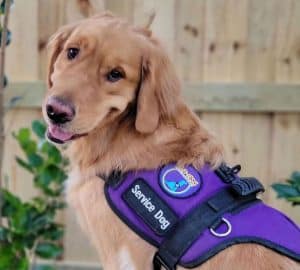
The mission of Genesis Assistance Dogs Inc. is to provide ability and independence to transform the lives of people with disabilities through the training and placement of highly skilled assistance dogs in Florida for children and adults.
Our Vision
Our vision is for people with disabilities to realize their full potential through the dedication, service and companionship of a highly skilled assistance dog.
Genesis Assistance Dogs, Inc. works closely with children, adults, veterans, and families to create successful partnerships between people and service dogs.
📞 Contact Number: (561) 329-0277
📧 Email: info@genesisassistancedogsinc.org
Frequently Asked Questions (FAQ)
What are the main benefits of an assistance dog?
Assistance dogs provide independence, safety, mobility support, medical alerts, emotional stability, and improved quality of life.
Can assistance dogs help people with PTSD?
Yes. Psychiatric service dogs are often trained to support individuals with post traumatic stress disorder through specific tasks and alerts.
What is the difference between a service dog and an emotional support dog?
Service dogs are trained to perform tasks related to a disability, while emotional support dogs provide comfort and companionship.
How long does it take to train a service dog?
Most service dogs undergo 18–24 months of training before placement.
Are diabetic alert dogs accurate?
Many diabetic alert dogs can detect changes in blood sugar and provide early warnings, helping handlers respond quickly.
Do service dogs have public access rights?
Yes. Service dogs are protected by disability laws and are generally allowed in public places where pets are not permitted.