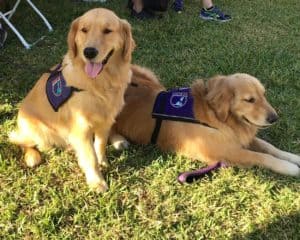
Owner Trained Service Dog: What You Need to Know Before Training Your Own
Choosing an owner trained service dog can be an empowering decision for people living with a disability. For many individuals, training their own service dog creates a deep bond and allows for customized support that fits their lifestyle, health needs, and daily routine. However, owner training is also a serious commitment that requires time, patience, and a clear understanding of legal and training expectations.
This guide explains what an owner trained service dog is, how the training process works, what legal requirements apply, and how to decide whether this path is right for you.
What Is an Owner Trained Service Dog?
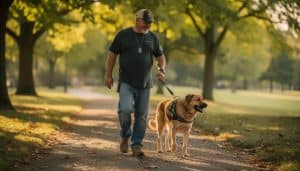 An owner trained service dog is a dog trained by its handler (the owner) rather than provided fully trained by a program. The handler becomes responsible for owner training, including obedience, task training, public behavior, and long-term reinforcement.
Under U.S. law, owner trainers have the same public access rights as handlers who receive dogs from professional programs—as long as the dog meets service dog standards.
To qualify as a service dog, the dog must:
- Be trained to assist with a person’s disability
- Perform at least one task directly related to that disability
- Remain under handler’s control at all times
- Behave appropriately in public (no excessive barking, lunging, or aggression)
Service Dog vs. Emotional Support Animals
It’s important to understand the difference between service dogs and emotional support animals.
- Service dogs perform trained tasks and have public access rights
- Emotional support animals provide comfort but do not perform tasks
- Emotional support animals do not have public access rights
- Pet dogs, no matter how well behaved, are not service dogs unless task trained
Service dog work is about function, not comfort alone.
Can Any Dog Become an Owner Trained Service Dog?
Not every dog is suited for service dog work. While many dogs are loving companions, only some have the temperament, focus, and resilience needed.
Key traits to look for:
- Calm and confident personality
- Ability to focus around distractions
- Low reactivity to other dogs
- Willingness to work and learn
- Good health and appropriate age
Popular breeds include Labradors, Golden Retrievers, and mixed breeds with strong working traits. Breed matters less than control, temperament, and trainability.
A new puppy can be trained from an early age, but adult dogs may also succeed if they meet the criteria.
The Owner Training Process: Step by Step
1. Start with Obedience Training
Before task work begins, your dog must master basic obedience:
- Sit
- Down
- Stay
- Loose leash walking
- Reliable recall
Obedience forms the foundation of all service dog training.
2. Crate Training and Household Manners
Crate training helps with:
- Travel
- Veterinary care
- Calm behavior in unfamiliar locations
- Building independence
A service dog must remain calm at home, in public, and around other dogs and people.
3. Task Training
Task training is what separates a service dog from pet dogs.
Examples include:
- Medical alert (medication reminders, alerting to health changes)
- Retrieving objects
- Mobility support
- Interrupting anxiety or panic behaviors
- Assisting during episodes related to the handler’s disability
Each task must directly assist with the handler’s disability and be performed reliably.
4. Public Access Training
Public access is one of the most challenging stages. Dogs must remain composed in:
- Stores
- Restaurants
- Medical facilities
- Public transportation
- Crowded locations
Dogs must pass a public access test, demonstrating calm behavior, leash control, and focus on the handler without excessive barking or distraction.
5. The Final Stage: Proofing and Reliability
The final stage ensures the dog can perform tasks consistently in real-world environments. This includes:
- Distractions
- Noise
- Crowds
- New locations
- Stressful environments
Training is not a one-time event—it’s a lifelong commitment.
Legal Requirements for Owner Trained Service Dogs
 There is no official certification, registry, or ID required by federal law.
Legal requirements include:
- The dog must be trained to perform tasks
- The dog must assist with a disability
- The handler must maintain control
- The dog must behave appropriately in public
Vests, IDs, and online registrations are optional and not legally required.
Should You Work with Trainers or Organizations?
Many owner trainers work alongside:
- Professional trainers
- Behaviorists
- Service dog training programs
- Organizations aligned with Assistance Dogs International
Even if you self-train, professional guidance often increases success and prevents setbacks.
Some handlers begin owner training but later seek help from other organizations to complete the process successfully.
Challenges of Owner Training
Owner training is rewarding but demanding. Challenges may include:
- Time commitment
- Financial costs
- Emotional stress
- Dogs washing out of training
- Inconsistent progress
Not every dog completes training, and that’s okay. The goal is success—not forcing a dog into a job it isn’t suited for.
Introducing Genesis Assistance Dogs, Inc.
For individuals who want professional support, guidance, or fully trained assistance dogs, Genesis Assistance Dogs, Inc. serves children and adults throughout Florida.
Our Mission
Genesis Assistance Dogs Inc. provides ability and independence to transform the lives of people with disabilities through the training and placement of highly skilled assistance dogs.
Our Vision
We envision a future where people with disabilities realize their full potential through the service, dedication, and companionship of a trained assistance dog.
Genesis Assistance Dogs, Inc. works with clients at various stages—from those explori
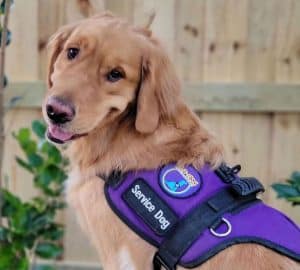
ng owner training to individuals seeking professionally trained service dog teams.
📞 Contact: (561) 329-0277
📧 Email: info@genesisassistancedogsinc.org
Frequently Asked Questions (FAQ)
Can I legally train my own service dog?
Yes. Owner training is legal as long as the dog meets service dog requirements.
Does my dog need to be certified?
No. There is no legal certification required in the U.S.
How long does owner training take?
Most owner trained service dogs take 12–24 months to complete training.
What if my dog fails training?
Not all dogs are suited for service work. Washing out is common and not a failure.
Can emotional support animals become service dogs?
Only if they are trained to perform tasks related to a disability.
Do owner trained service dogs have public access rights?
Yes, if they are task trained and under handler control.