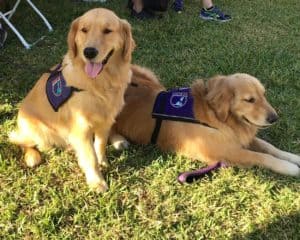
Service Dogs Training: Complete Guide to Professional Training Programs and Standards
Key Takeaways
- Professional service dog training typically takes 18-24 months and costs between $15,000-$30,000 for comprehensive programs
- Training includes four core phases: basic obedience, task-specific skills, public access training, and handler-team preparation
- Only dogs trained to perform specific disability-related tasks qualify as service animals under the Americans with Disabilities Act
- Reputable training organizations follow Assistance Dogs International standards and provide ongoing support for handler teams
- Financial assistance programs and grants are available through various nonprofit organizations to help offset training costs
Over 500,000 service dogs currently work across the United States, transforming daily lives for individuals with disabilities. Behind each successful partnership lies months of intensive professional training that creates working dogs capable of performing life-changing tasks with unwavering reliability.
Service dogs training represents one of the most sophisticated forms of canine education, requiring specialized expertise, substantial time investment, and comprehensive understanding of both human disabilities and canine behavior. Unlike pets or emotional support animals, service dogs must master complex skills that directly mitigate their handler’s specific disability while maintaining perfect public behavior in all environments.
This comprehensive guide explores every aspect of professional service dogs training, from initial selection criteria through graduation and beyond. Whether you’re considering applying for a trained service dog, exploring self-training options, or simply want to understand the rigorous process behind these remarkable partnerships, you’ll discover the standards, costs, timelines, and organizations that make service dog training successful.
 Understanding Service Dogs Training Requirements
 Understanding Service Dogs Training Requirements
The foundation of effective service dogs training begins with understanding the legal definition and requirements established by the Americans with Disabilities Act. According to the ADA, a service animal is defined as a dog that has been individually trained to do work or perform tasks for a person with a disability. This seemingly simple definition carries profound implications for training standards and public access rights.
Service dogs differ significantly from emotional support animals and therapy dogs in both training requirements and legal protections. While emotional support animals provide comfort through their mere presence and require no specialized training, service dogs must master specific tasks that directly relate to their handler’s disability. Therapy dogs, although highly trained, work primarily in therapeutic settings and lack the public access rights afforded to service animals.
The legal framework governing service dog training extends beyond the ADA to include state and local regulations that may impose additional requirements. However, the federal law remains clear: no certification, registration, or special identification is required for a service dog, though the dog must be individually trained to perform disability-related work or tasks.
Proper training proves essential not only for legal compliance but also for handler safety and public acceptance. A poorly trained dog wearing a service vest can create dangerous situations, undermine public confidence in legitimate service animals, and potentially result in access challenges for other handler teams. This reality underscores why professional training programs maintain such rigorous standards.
Various disabilities benefit from trained service dogs, each requiring specialized task training. Mobility assistance dogs help individuals with physical disabilities by providing balance support, retrieving dropped items, and operating wheelchair equipment. Guide dogs navigate obstacles and traffic hazards for people with visual impairments. Hearing dogs alert deaf and hard-of-hearing individuals to important sounds like alarms, doorbells, and approaching vehicles. Medical alert dogs detect seizures, diabetic episodes, or other health emergencies, while psychiatric service dogs interrupt anxiety attacks, provide deep pressure therapy, and perform room searches for veterans with PTSD.
The Professional Service Dog Training Process
Professional service dogs training follows a carefully structured progression designed to build reliable, confident working dogs capable of performing complex tasks while maintaining perfect public behavior. The entire process typically spans 18 to 24 months, with some specialized programs requiring even longer timelines for dogs learning highly specific medical alert tasks.
Phase 1: Foundation Training and Temperament Assessment
The journey begins with careful puppy selection and early socialization between 8 and 16 weeks of age. Professional programs often work with specific breeding lines known for producing dogs with ideal temperaments for service work. Labrador retrievers, golden retrievers, and standard poodles represent the most common breeds, though individual temperament matters more than breed characteristics.
During this critical period, puppies receive extensive socialization exposure to various environments, people, surfaces, and stimuli. This early foundation proves crucial for developing confident dogs capable of working in any public setting without fear or reactivity. Puppy raisers, often volunteers trained by the organization, provide consistent care and basic training during this phase.
Basic obedience commands form the cornerstone of all future training. Dogs must demonstrate reliable responses to sit, stay, come, heel, down, and leave it commands before progressing to advanced training phases. House training and crate training establish essential life skills, while introduction to training equipment like collars, leashes, and eventually service vests helps dogs associate these items with work time.
Temperament testing occurs regularly throughout this phase to assess each dog’s suitability for service work. Many individuals don’t realize that only 50-60% of dogs that begin formal training ultimately graduate as fully trained service dogs. Factors like excessive prey drive, environmental sensitivity, or health issues may result in career change decisions where dogs are placed as family pets rather than service animals.
Health screenings and veterinary care protocols ensure only physically sound dogs continue in training. This includes hip and elbow evaluations, eye examinations, and genetic testing relevant to the breed. Organizations like Genesis Assistance Dogs maintain comprehensive health records and work closely with veterinary specialists to monitor each dog’s development.
 Phase 2: Advanced Obedience and Task-Specific Training
 Phase 2: Advanced Obedience and Task-Specific Training
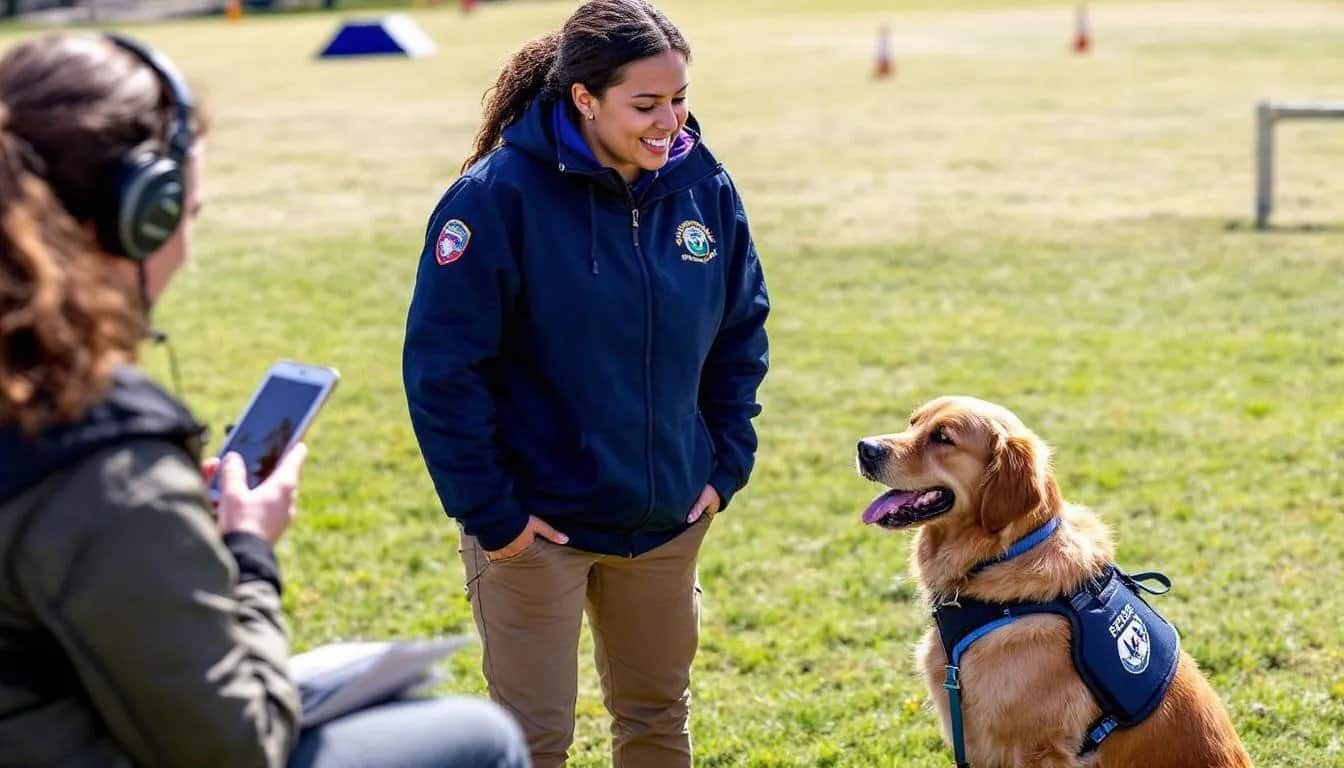
Advanced training typically begins around 6 months of age and continues for 6 to 12 months, depending on the complexity of tasks required. During this phase, dogs master complex command sequences and develop the reliability necessary for real-world service work. Professional trainers use positive reinforcement methods, rewarding correct responses while building the dog’s confidence and enthusiasm for work.
Task-specific training varies dramatically based on the future handler’s disability and individual needs. Mobility assistance dogs learn to brace for stability, retrieve objects of various sizes, open doors, and operate light switches. These dogs must develop the physical strength and coordination to assist with transfers while understanding when to provide support and when to move away for safety.
Guide dogs for the blind undergo intensive training in intelligent disobedience, learning to refuse commands that would place their handler in danger. This sophisticated training teaches dogs to evaluate traffic situations, navigate obstacles, and find specific locations like doors, stairs, and elevators. The precision required for guide dog work often extends training timelines to two years or more.
Medical alert dogs receive specialized training to detect subtle scent changes associated with seizures, diabetic episodes, or other health conditions. This training requires careful pairing of specific scents with reward systems, gradually building the dog’s ability to recognize and alert to these changes reliably. Some programs report success rates as low as 20% for dogs learning complex medical alert tasks due to the specialized skills required.
Distraction training becomes increasingly important during this phase as dogs learn to maintain focus on their handlers despite environmental temptations. Dogs practice working around food, other animals, children, and various noises that they’ll encounter in public settings. The goal is unwavering focus on task performance regardless of surroundings.
Emergency response protocols ensure service dogs can adapt their behavior during crisis situations. Dogs learn to remain calm during fire alarms, stay close to handlers during evacuations, and respond appropriately when their handler requires emergency assistance from others.
Phase 3: Public Access Training
Public access training represents perhaps the most challenging aspect of service dogs training, requiring dogs to demonstrate perfect behavior in all public environments. This phase typically lasts 3 to 6 months and involves extensive practice in real-world settings where service dogs will eventually work.
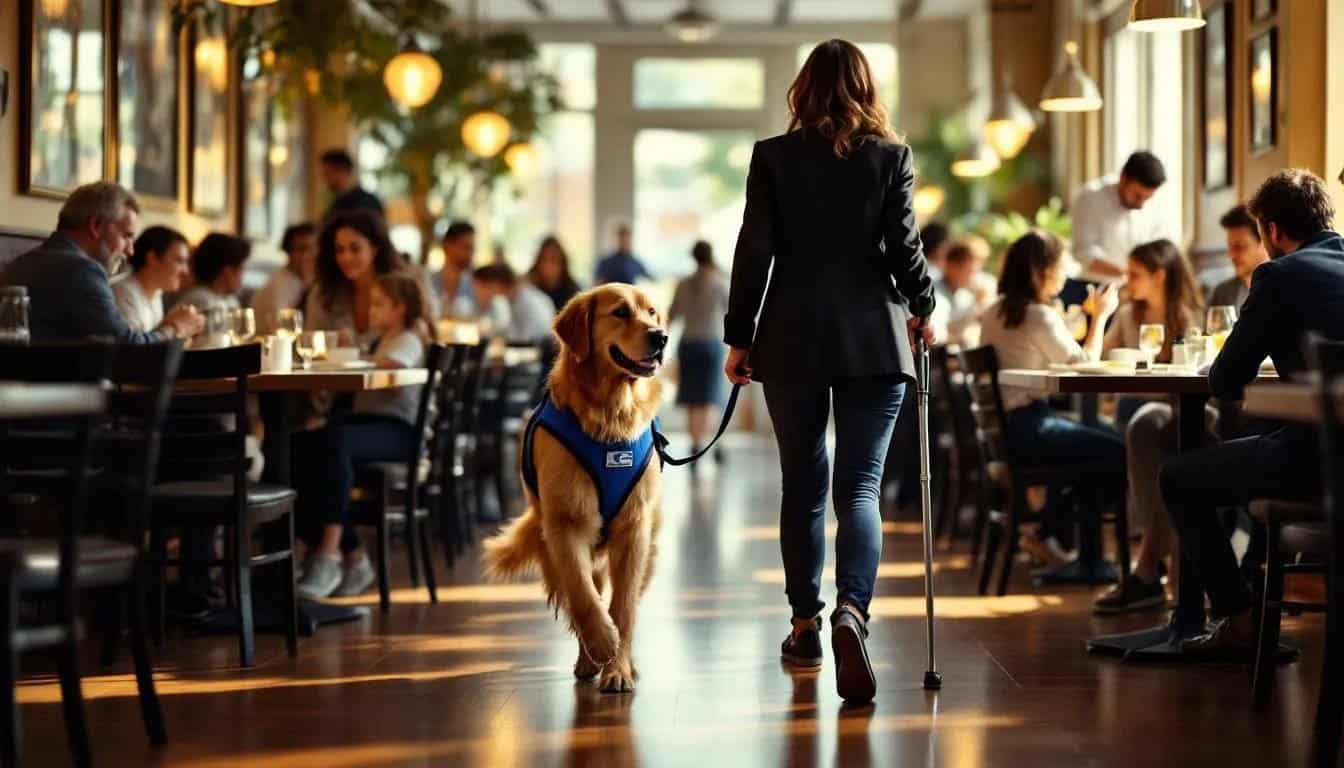
Behavior standards in restaurants require dogs to settle quietly under tables without begging, investigating food odors, or seeking attention from other diners. Dogs must maintain their position even when food is dropped nearby or when children attempt to pet or feed them. This level of self-control develops through countless training sessions in various dining establishments.
Transportation training prepares dogs for buses, trains, airplanes, and cars. Dogs learn to position themselves in tight spaces, remain calm during sudden stops or turbulence, and respond appropriately to transportation-specific challenges like escalators and moving walkways. Air travel training includes familiarization with airline procedures, crate training for cargo holds when required, and adaptation to cabin pressure changes.
Store navigation skills include maneuvering through narrow aisles, ignoring product displays at nose level, and maintaining proper position beside shopping carts or wheelchairs. Dogs must demonstrate the ability to work in crowded environments without becoming overstimulated or distracted by the constant movement and noise typical of retail environments.
Workplace training addresses the specific needs of handlers who plan to bring their service dogs to employment settings. This includes extended settling periods, interaction with coworkers and clients, and adaptation to office equipment noises. Some dogs receive additional training for specific workplace hazards or requirements unique to their handler’s profession.
Environmental challenge training exposes dogs to elevators, revolving doors, stairs, escalators, and various floor surfaces. Dogs must navigate these challenges confidently while maintaining proper position relative to their handler. Noise desensitization includes construction sounds, traffic noise, public address systems, and other urban environment stimuli.
 Phase 4: Handler Training and Team Preparation
 Phase 4: Handler Training and Team Preparation
The final training phase focuses on preparing both dog and handler to work as an effective team. Handler training typically requires 1 to 2 weeks of intensive instruction, though some programs extend this period based on the complexity of tasks and the handler’s experience with dogs.
Handler education covers comprehensive dog care including health monitoring, grooming requirements, exercise needs, and equipment maintenance. Handlers learn to recognize signs of illness, stress, or fatigue in their dogs and understand when to seek veterinary care or adjust working schedules. This education proves crucial since service dogs typically work 8 to 10 years before retirement.
Communication techniques form a critical component of handler training. Handlers must learn proper command delivery, timing of rewards, and how to maintain the dog’s training through consistent reinforcement. Professional trainers teach handlers to recognize and address behavioral issues before they become problematic, ensuring the team’s long-term success.
Legal rights education helps handlers understand their protections under the ADA and how to handle public access challenges appropriately. This includes knowing what questions businesses may legally ask, understanding housing accommodations, and managing interactions with individuals who question the legitimacy of their service dog.
Problem-solving strategies prepare handlers for challenging situations they may encounter in public. This includes dealing with aggressive dogs, managing the service dog around other animals, and handling emergencies where the dog must adapt its normal routine. Trainers role-play various scenarios to build handler confidence and decision-making skills.
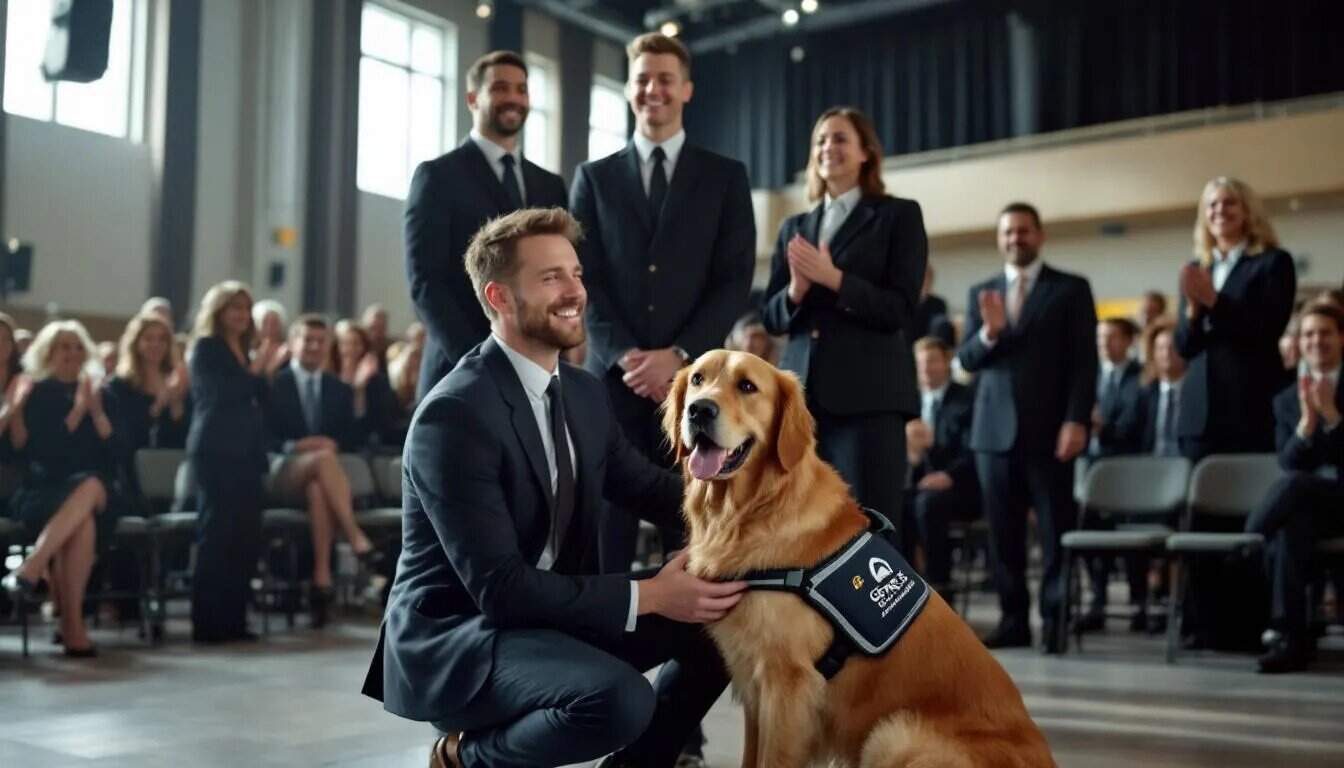
Graduation requirements typically include demonstration of all trained tasks, successful completion of public access evaluations, and evidence of strong bonding between handler and dog. Many programs require follow-up evaluations at 6 and 12 months post-graduation to ensure continued success and provide additional support if needed.
Professional Training Organizations and Standards
Assistance Dogs International serves as the premier global coalition setting standards for organizations that train assistance dogs. ADI member programs adhere to strict guidelines covering training methodology, instructor qualifications, health and breeding standards, and follow-up support protocols. These standards ensure consistent quality across member organizations and provide prospective handlers with criteria for evaluating training programs.
Accreditation requirements for reputable service dog programs include demonstrated training expertise, transparent placement procedures, comprehensive health guarantees, and ongoing support systems. ADI accreditation requires organizations to maintain detailed records, submit to periodic evaluations, and demonstrate successful placement outcomes over multiple years. This accreditation process protects consumers from substandard programs that may provide inadequately trained dogs.
The difference between nonprofit organizations and for-profit trainers extends beyond tax status to fundamental approaches to service dog training and placement. Nonprofit organizations typically provide dogs at reduced cost or no charge to qualified recipients, funding their operations through donations and grants. These organizations often maintain longer waiting lists but provide more comprehensive support services and higher training standards.
For-profit trainers may offer shorter timelines and more flexible training options but typically charge full market rates for their services. While some for-profit trainers maintain excellent standards, others may cut corners to reduce costs or accelerate timelines. Prospective handlers should carefully research any training organization’s reputation, success rates, and post-placement support policies.
When evaluating training programs, prospective handlers should investigate the organization’s ADI membership status, success rates, health guarantees, and follow-up support policies. Legitimate programs welcome questions about their training methods, instructor qualifications, and placement procedures. They provide detailed contracts outlining responsibilities for both organization and handler.
Red flags to avoid include programs that guarantee service dogs without meeting the applicant, charge excessive fees upfront, claim to train dogs in unrealistically short timelines, or refuse to provide references from previous clients. Organizations that pressure applicants to make immediate decisions or discourage questions about their training methods should be approached with extreme caution.
Post-graduation support and follow-up services distinguish excellent programs from merely adequate ones. Quality organizations provide ongoing training refreshers, behavioral consultations, equipment replacement, and veterinary support throughout the dog’s working life. This support proves essential for maintaining the team’s effectiveness and addressing challenges that arise over time.
Self-Training vs Professional Training Programs
The ADA explicitly grants individuals the right to train their own service dogs, recognizing that some people possess the expertise, time, and resources necessary for effective self-training. However, this legal right comes with significant challenges and limitations that prospective handlers must carefully consider before choosing the self-training path.
Owner-training approaches require extensive knowledge of dog behavior, training methodology, and disability-specific task development. Successful self-trainers typically invest 2 to 4 hours daily in training activities over 18 to 24 months, demonstrating remarkable commitment and consistency. The process demands understanding of positive reinforcement principles, ability to recognize and address behavioral issues, and skills to generalize training across multiple environments.
Resources for self-training include AKC Canine Good Citizen programs, which provide foundation obedience skills, and specialized books, videos, and online courses focused on service dog training. Many communities offer training classes specifically designed for owner-trained service dogs, providing professional guidance while allowing handlers to maintain primary training responsibility.
The time commitment required for effective self-training often proves overwhelming for individuals managing disabilities alongside training responsibilities. Professional trainers work full-time developing training skills and have access to specialized equipment, training environments, and behavioral expertise that most individuals cannot replicate at home.
When professional training is recommended over self-training includes situations involving complex medical alert tasks, guide work for blindness, and psychiatric service work requiring sophisticated behavioral interruption skills. Handlers with limited dog experience, inadequate time for intensive training, or disabilities that limit their ability to provide consistent training sessions typically benefit more from professional programs.
Hybrid approaches combine professional guidance with owner involvement, offering middle-ground solutions for some families. These programs may include professional evaluation and task training with owner participation in basic obedience and public access training. Some organizations offer board-and-train programs where dogs receive intensive professional training while returning home regularly for handler bonding and practice sessions.
 Service Dog Training Costs and Financial Assistance
 Service Dog Training Costs and Financial Assistance
Professional service dog training costs vary significantly based on program type, training duration, and task complexity. Nonprofit organizations typically charge between $15,000 and $30,000 for fully trained service dogs, while for-profit trainers may charge $25,000 to $60,000 or more. These figures reflect the intensive training investment required to produce reliable working dogs.
Factors influencing pricing include specialty task requirements, with medical alert dogs commanding higher fees due to lower success rates and longer training timelines. Guide dogs for the blind represent the most expensive category due to the sophisticated skills required and extensive training period. Mobility assistance dogs typically fall in the middle price range, while hearing dogs may cost slightly less due to relatively straightforward alert training requirements.
Hidden costs often surprise new service dog handlers and include ongoing veterinary care, equipment replacement, food, grooming, and travel expenses for program participation. Annual maintenance costs typically range from $2,000 to $4,000, though emergency veterinary care can result in unexpected expenses. Handlers should budget for equipment replacement, including harnesses, collars, and identification materials that wear out over time.
Grant opportunities through national and local organizations provide financial assistance for qualifying individuals. The Veterans Administration provides service dogs for qualifying military personnel at no cost, covering training, veterinary care, and equipment. Various foundations offer grants specifically for service dog acquisition, though application processes may be competitive and lengthy.
Community fundraising strategies help many families offset service dog costs through social media campaigns, local business partnerships, and fundraising events. Successful fundraising efforts often combine online crowdfunding platforms with traditional community outreach, highlighting the specific ways a service dog will improve the handler’s independence and quality of life.
Payment plans and scholarship opportunities make professional training more accessible for families with limited financial resources. Many nonprofit organizations offer sliding scale fees based on income, while others provide complete scholarships for qualifying applicants. Some programs allow extended payment schedules that spread costs over multiple years.
Choosing the Right Service Dog Breed and Training Match
Popular service dog breeds each bring specific characteristics that make them well-suited for different types of assistance work. Golden retrievers excel in guide work and emotional support roles due to their gentle nature and strong desire to please. Labrador retrievers demonstrate excellent versatility across all service dog categories, with strong work drive and trainable temperaments. Standard poodles offer hypoallergenic coats beneficial for handlers with allergies while maintaining the intelligence and size necessary for mobility assistance work.
Matching handler lifestyle and physical requirements to dog characteristics ensures successful long-term partnerships. Active handlers who enjoy outdoor activities may prefer breeds with higher exercise requirements, while handlers with limited mobility benefit from dogs that adapt well to sedentary lifestyles. Size considerations prove crucial for different types of assistance, with larger dogs necessary for mobility support and smaller dogs better suited for medical alert work or travel convenience.
Size considerations extend beyond handler needs to practical constraints like housing restrictions, transportation requirements, and public access challenges. Larger dogs provide more physical assistance capability but may face restrictions in small apartments, airline cabins, or compact cars. Smaller dogs offer greater portability but cannot perform certain mobility tasks or provide physical stability support.
Grooming, exercise, and care requirements vary significantly between breeds and directly impact the handler’s daily routine. Long-coated breeds require professional grooming every 6 to 8 weeks and daily brushing to maintain appropriate appearance for public access work. High-energy breeds need substantial daily exercise that may prove challenging for handlers with limited mobility.
Lifespan expectations and retirement planning considerations affect long-term partnership success and financial planning. Most service dogs work effectively for 8 to 10 years before age-related health issues necessitate retirement. Handlers should plan for retirement care, potential replacement dog needs, and the emotional challenges of transitioning from a longtime canine partner.
Working dog retirement requires careful consideration of the dog’s continued care needs and the handler’s attachment to their longtime partner. Many handlers choose to keep retired service dogs as pets while transitioning to new working dogs, though this decision doubles the care responsibilities and costs. Others arrange placement with family members or return dogs to training organizations that provide retirement care.
About Genesis Assistance Dogs, Inc.
Genesis Assistance Dogs, Inc. stands as a leading service dog training organization dedicated to transforming lives through expertly trained assistance dogs and comprehensive support services. Founded on the principle that every person with a disability deserves access to independence-enhancing assistance, Genesis maintains rigorous training standards while providing personalized matching services that consider each handler’s unique needs and circumstances.
The organization’s specialized training programs encompass all major service dog categories, including guide dogs for individuals with visual impairments, hearing dogs for deaf and hard-of-hearing clients, mobility assistance dogs for those with physical disabilities, and psychiatric service dogs for veterans and others managing mental health conditions. Each program follows Assistance Dogs International standards while incorporating innovative training techniques developed through ongoing research and collaboration with disability advocacy organizations.
Genesis Assistance Dogs’ commitment to Assistance Dogs International standards ensures every graduated team receives the highest quality training and support. The organization maintains ADI membership in good standing and regularly participates in continuing education programs that advance training methodology and handler success rates. This commitment extends to comprehensive health guarantees, ongoing behavioral support, and lifetime consultation services for all graduated teams.
Success stories from Genesis Assistance Dogs illustrate the transformative impact of professional service dog training. Recent graduates include a veteran with PTSD whose psychiatric service dog enables him to work full-time for the first time since his military service, a young woman with diabetes whose medical alert dog has prevented multiple dangerous episodes, and a child with autism whose service dog provides calming support in educational and social settings. These testimonials highlight not just the technical success of the training program but the profound life changes that result from successful human-canine partnerships.
 Mission and Vision
 Mission and Vision
Genesis Assistance Dogs, Inc. operates under a clear mission: To enhance independence and quality of life for individuals with disabilities through expertly trained service dogs and comprehensive support services. This mission drives every aspect of the organization’s operations, from initial dog selection through lifetime support for graduated teams.
The organization’s vision encompasses creating a world where every person with a disability has access to life-changing assistance dog partnerships, regardless of financial circumstances or geographic location. This ambitious vision motivates ongoing expansion efforts, scholarship programs, and community outreach initiatives designed to eliminate barriers that prevent qualified individuals from receiving service dogs.
Core values include excellence in training, handler empowerment, and community education about service dog rights and responsibilities. The organization maintains that superior training outcomes result from ethical treatment of dogs, evidence-based methodology, and personalized attention to each team’s unique requirements. Handler empowerment extends beyond dog training to include education about legal rights, self-advocacy skills, and long-term partnership management.
Genesis Assistance Dogs’ commitment to ongoing research and innovation in service dog training methods reflects the organization’s dedication to continuous improvement. Staff members regularly attend professional development conferences, collaborate with university research programs, and implement new training techniques that improve success rates and handler satisfaction. This research focus ensures the organization remains at the forefront of service dog training advancement.
Contact Information and Services
Prospective applicants can reach Genesis Assistance Dogs through multiple convenient contact methods:
Phone:(561) 329-0277
Email: info@genesisassistancedogs.org
Website: www.genesisassistancedogs.org
Address: P.O. Box 3101, West Palm Beach, FL 33402
The program application process begins with a comprehensive evaluation that assesses the applicant’s disability documentation, lifestyle factors, living situation, and specific task requirements. Applications undergo careful review by medical professionals and training staff to ensure appropriate matching between handler needs and available dogs. The evaluation process typically takes 4 to 6 weeks, with personal interviews conducted via phone or video conference for qualified applicants.
Follow-up support services distinguish Genesis Assistance Dogs from many other training organizations. Graduated teams receive ongoing access to professional trainers for behavioral consultations, training refreshers, and problem-solving support. The organization maintains relationships with veterinary specialists who understand working dog health requirements and provides equipment replacement services throughout the dog’s career.
Continuing education programs help handlers maintain their skills and adapt to changing circumstances over time. These programs include annual refresher workshops, online training modules, and specialized sessions addressing challenges like dog aging, equipment updates, or changes in handler health status. This comprehensive support system ensures long-term success for every Genesis Assistance Dogs team.
Frequently Asked Questions
How long does professional service dog training typically take from start to finish?
Professional service dog training typically requires 18 to 24 months from initial puppy selection through team graduation. This timeline includes early socialization and foundation training (8-16 weeks), advanced obedience and task-specific training (6-12 months), public access training (3-6 months), and handler preparation (1-2 weeks). Some specialized programs, particularly those training medical alert dogs or guide dogs, may require longer timelines due to the complexity of skills involved.
What happens if a service dog in training doesn’t pass the final evaluation?
Approximately 40-50% of dogs that begin formal service dog training do not complete the program successfully. Dogs may be released from training due to health issues, temperament concerns, lack of sufficient drive for the work, or inability to master required tasks. Most reputable organizations have career change programs that place these dogs as family pets with carefully screened families. Organizations typically maintain waiting lists of people interested in adopting these well-trained companion animals.
Can I visit my dog during the training process, and how often are progress updates provided?
Visitation policies vary among training organizations, with many limiting contact during intensive training phases to prevent interference with the bonding process between dog and professional trainer. However, most programs provide regular progress updates through monthly reports, photos, and video updates. Some organizations schedule specific visitation periods or invite handlers to observe training sessions as the program progresses toward graduation.
What ongoing support is available after my service dog and I graduate from the program?
Reputable service dog organizations provide lifetime support for graduated teams, including access to professional trainers for behavioral consultations, annual refresher training opportunities, equipment replacement services, and veterinary guidance for work-related health issues. Many organizations also maintain alumni networks that facilitate peer support and continuing education opportunities. This ongoing support proves essential for maintaining the team’s effectiveness throughout the dog’s working career.
Are there age restrictions for handlers applying for professionally trained service dogs?
Most service dog organizations accept applications from individuals of all ages, though specific policies vary. Programs serving children typically require family commitment to ongoing training and care responsibilities. Some organizations have minimum age requirements (often 12-16 years) for independent handlers, while others work with families to ensure appropriate supervision and support. Senior applicants may need to demonstrate ability to provide necessary care and exercise for the service dog throughout its working life.